

Yellow jackets are a common type of wasp that can be found throughout North America. While they play an important role in the ecosystem by preying on other insects, they can also be a nuisance and even dangerous if their nests are disturbed. If you have a yellow jacket nest on your property and need to get rid of it, there are several methods you can try.
One of the most effective ways to kill a yellow jacket nest is to use a commercial insecticide. These products are specifically designed to kill wasps and can be found at most hardware and home improvement stores. It's important to follow the instructions carefully and wear protective clothing, as yellow jackets can become aggressive if their nest is threatened. Another option is to use a natural insecticide, such as a mixture of vinegar and water or a solution of soap and water. While these methods may not be as effective as commercial insecticides, they can still be helpful in reducing the yellow jacket population.
Understanding Yellow Jackets
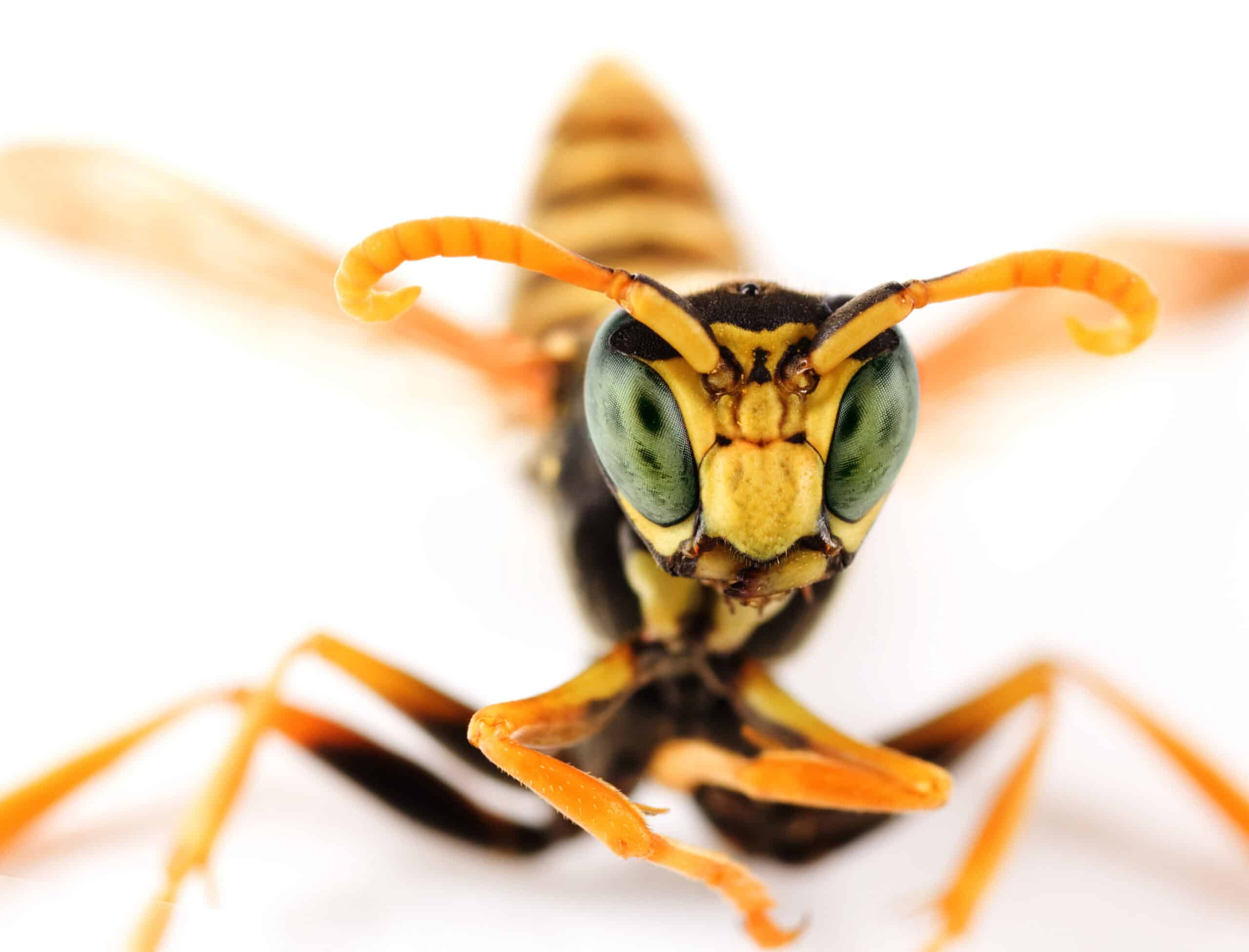
Yellow jackets are a type of social wasp that are known for their aggressive behavior and painful sting. They belong to the genus Vespula and are commonly found throughout North America. Yellow jackets are often confused with bees, but they have a slender waist and smooth, shiny bodies that distinguish them from their fuzzy, round-bodied counterparts.
Yellow jackets are social insects that live in colonies. Each colony is made up of a queen, who lays eggs, and worker wasps, who gather food and take care of the young. Yellow jacket colonies can contain anywhere from a few hundred to several thousand individuals, depending on the time of year.
Yellow jackets are known for their aggressive behavior, especially when their nests are disturbed. They will defend their nests vigorously and can sting multiple times, unlike bees, which can only sting once. Yellow jacket stings can be painful and can cause allergic reactions in some people.
It is important to note that not all wasps are yellow jackets. There are many different types of wasps, including solitary wasps and other social wasps like paper wasps and hornets. While these insects may look similar to yellow jackets, they have their own unique behaviors and characteristics.
Overall, understanding the behavior and biology of yellow jackets is an important first step in effectively dealing with a yellow jacket nest.
Identifying Yellow Jacket Nests
Yellow jackets are a type of wasp that can be very aggressive if their nest is disturbed. It is important to identify the location of their nest before attempting to remove it. Here are some tips on how to identify a yellow jacket nest.
Ground Nests
Yellow jackets often build their nests in the ground, usually in abandoned rodent burrows or other cavities. The entrance to the nest is typically a small hole in the ground, about the size of a quarter. If you see a lot of yellow jackets flying in and out of a hole in the ground, it is likely that there is a nest nearby.
Underground Nests
Yellow jackets can also build their nests underground, without an obvious entrance. These nests are often harder to locate, but they can be identified by observing the behavior of the yellow jackets. If you see a lot of yellow jackets flying in and out of a particular area, but there is no obvious entrance, it is possible that there is an underground nest in that location.
Aerial Nests
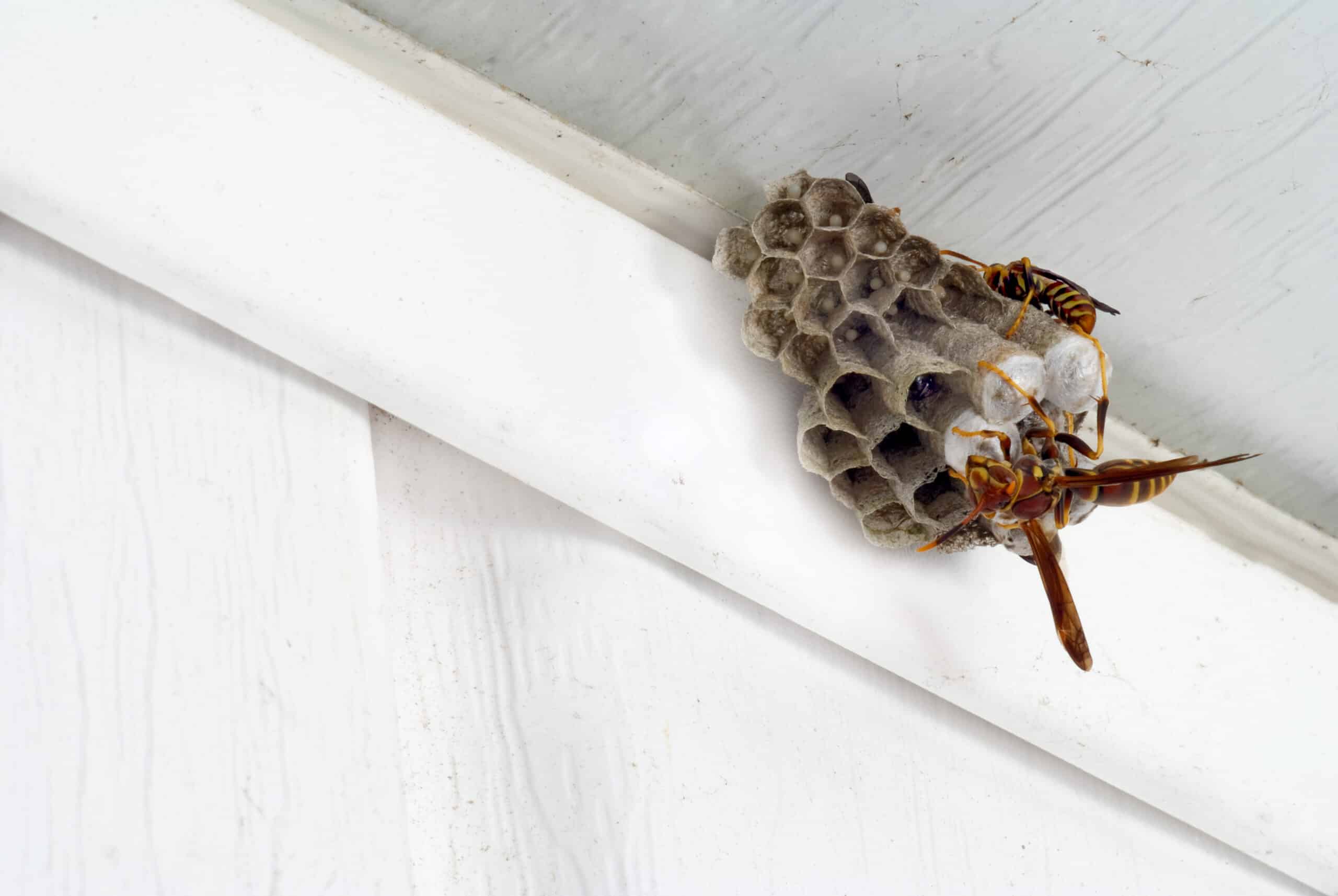
Yellow jackets can also build their nests in trees, bushes, and other aerial locations. These nests are usually made of a paper-like material and are often visible from a distance. If you see a large, papery-looking nest in a tree or bush, it is likely that it is a yellow jacket nest.
In general, it is best to avoid disturbing yellow jacket nests. If you do need to remove a nest, it is important to do so carefully to avoid getting stung. Always wear protective clothing and work at night when the yellow jackets are less active. If you are unsure about how to safely remove a yellow jacket nest, it is best to contact a professional pest control company.
When Yellow Jackets Become a Threat
Yellow jackets are a type of wasp that can become a serious threat to humans when their nest is disturbed. They are very protective of their nests and will attack anything they perceive as a threat. This can include humans, pets, and even other insects.
Yellow jackets are most dangerous when they are provoked, or their nest is disturbed. If you come across a yellow jacket nest, it is important to take precautions to avoid getting stung. This is especially important if you are allergic to their venom, as an allergic reaction can be life-threatening.
Human activity is often what leads to yellow jackets becoming a threat. For example, mowing the lawn or trimming hedges near a nest can disturb the wasps and cause them to attack. It is important to be aware of the location of yellow jacket nests and take precautions to avoid disturbing them.
If you do find yourself in a situation where yellow jackets are becoming a threat, there are a few things you can do to protect yourself. Firstly, move away from the nest as quickly and calmly as possible. Do not swat at the wasps or run, as this can provoke them and cause them to attack.
It is also important to wear protective clothing if you need to be near a yellow jacket nest. This can include long sleeves, pants, and gloves. If you do get stung, remove the stinger as quickly as possible and seek medical attention if you experience an allergic reaction.
In summary, yellow jackets can be dangerous and become a threat when their nest is disturbed. It is important to take precautions to avoid getting stung and to seek medical attention if necessary.
Safe Times to Approach Yellow Jacket Nests
If you need to eliminate a yellow jacket nest, it is important to do so safely. Yellow jackets are known for their aggressive behavior and painful stings. Here are some safe times to approach yellow jacket nests:
At Night
Yellow jackets are less active at night, making it a safer time to approach their nest. It is important to use a flashlight to locate the nest and wear protective clothing, including a bee suit, gloves, and a hat with a veil. Be sure to move slowly and quietly to avoid disturbing the nest.
Dusk
Dusk is also a safe time to approach a yellow jacket nest. Yellow jackets are less active during this time and are less likely to sting. It is important to wear protective clothing and approach the nest slowly and quietly.
Late Summer
Late summer is the best time to eliminate a yellow jacket nest. This is because the colony is at its peak size, making it easier to locate and eliminate. Yellow jackets are also more aggressive during this time, so it is important to wear protective clothing and approach the nest with caution.
In summary, approaching a yellow jacket nest can be dangerous, but there are safe times to do so. Night and dusk are the safest times, and late summer is the best time to eliminate the nest. Always wear protective clothing and approach the nest slowly and quietly to avoid disturbing the colony.
Proper Protective Measures
When dealing with yellow jacket nests, it is crucial to take proper protective measures to avoid getting stung. Yellow jackets are known for their aggressive behavior and can sting multiple times, which can be dangerous, especially for people who are allergic to their venom. Here are some protective measures to keep in mind:
Wear Protective Clothing
Wearing protective clothing is essential when dealing with yellow jacket nests. It is recommended to wear long sleeves, pants, and closed-toe shoes to cover as much skin as possible. Additionally, wearing gloves and a hat with a veil can provide extra protection. It is important to choose clothing made of thick, durable materials that can withstand stings.
Use Insect Repellent
Insect repellent can help keep yellow jackets away from you while you work on removing the nest. Look for repellents that contain DEET, picaridin, or oil of lemon eucalyptus, as they are effective against yellow jackets. Be sure to follow the instructions on the label and apply the repellent to your clothing and exposed skin.
Work at Night
Yellow jackets are less active at night, making it an ideal time to remove the nest. Working at night can reduce the risk of getting stung, but it is important to use proper lighting to see what you are doing. Use a flashlight or headlamp to illuminate the area where you will be working.
Keep a Safe Distance
When working on removing a yellow jacket nest, it is important to keep a safe distance. Yellow jackets can become agitated and aggressive when disturbed, so it is best to keep at least 10 feet away from the nest. Avoid making sudden movements or loud noises that can provoke the yellow jackets.
By taking these proper protective measures, you can reduce the risk of getting stung while removing a yellow jacket nest. Remember to always be cautious and aware of your surroundings when dealing with these aggressive insects.
Methods to Eliminate Yellow Jacket Nests
Yellow jackets are aggressive insects that can pose a significant danger to humans. If you have a yellow jacket nest on your property, it's essential to eliminate it as soon as possible. Here are some methods to get rid of yellow jacket nests:
Insecticide Sprays
Insecticide sprays are the most common method used to eliminate yellow jacket nests. These sprays contain chemicals that are toxic to yellow jackets and can quickly kill them. You can purchase these sprays at most hardware stores or online. When using insecticide sprays, it's essential to follow the instructions carefully and wear protective clothing and equipment.
Traps
Traps are another effective method of eliminating yellow jacket nests. These traps use a sweet bait to attract yellow jackets, and once they enter the trap, they are unable to escape. You can purchase traps at most hardware stores or online. It's essential to place the traps away from areas where people will be present.
Dusts
Dusts are a type of insecticide that can be applied directly to yellow jacket nests. These dusts contain chemicals that are toxic to yellow jackets and can kill them quickly. You can purchase dusts at most hardware stores or online. When using dusts, it's essential to wear protective clothing and equipment and follow the instructions carefully.
Peppermint Oil
Peppermint oil is a natural repellent that can be used to deter yellow jackets from nesting on your property. You can mix peppermint oil with water and spray it around areas where yellow jackets may be present. This method is not as effective as insecticide sprays or traps, but it can be a useful tool in preventing yellow jackets from nesting on your property.
Dish Soap
Dish soap is a household item that can be used to eliminate yellow jacket nests. You can mix dish soap with water and spray it directly onto the nest. The soap will suffocate the yellow jackets and kill them. This method is not as effective as insecticide sprays or traps, but it can be a useful tool in eliminating small nests.
Overall, there are several methods to eliminate yellow jacket nests. It's essential to choose the method that works best for your situation and follow the instructions carefully. If you're unsure about how to eliminate a yellow jacket nest, it's best to contact a professional pest control company.
Professional Pest Control Options
When dealing with a yellow jacket nest, it is important to consider the risks involved and the potential for injury. Professional pest control services offer a safe and effective solution to eliminate the nest and prevent future infestations.
Professional pest control companies have the expertise, equipment, and training to handle yellow jacket nests safely and effectively. They use a variety of methods, including insecticides, traps, and physical removal, depending on the location and size of the nest.
Insecticides are often the most effective and efficient method for eliminating yellow jacket nests. Professional pest control companies use specialized equipment to apply the insecticide directly into the nest, ensuring maximum coverage and effectiveness. They also use insecticides that are specifically formulated for yellow jackets, minimizing the risk of harm to other beneficial insects and animals.
Traps can also be effective in reducing yellow jacket populations, especially in outdoor areas where nests are difficult to locate. Professional pest control companies use traps that are designed to attract yellow jackets and prevent them from escaping, reducing the overall population and the risk of stings.
Physical removal may be necessary in some situations, such as when the nest is located in a sensitive area or when insecticides and traps are not effective. Professional pest control companies use specialized equipment and protective gear to safely remove the nest and dispose of it properly.
Overall, professional pest control services offer a safe and effective solution for eliminating yellow jacket nests and preventing future infestations. If you are dealing with a yellow jacket nest, consider contacting a professional pest control company for assistance.
Preventing Future Yellow Jacket Infestations
Preventing future yellow jacket infestations is crucial to ensure that you do not have to deal with these aggressive stinging insects again. Here are some tips to help you prevent future yellow jacket infestations:
- Keep your garden and yard tidy: Yellow jackets are attracted to sweet smells, so make sure to keep your garden, plants, and trees trimmed and free of overripe fruit. Avoid leaving sugary drinks or food outside for extended periods.
- Secure your trash: Yellow jackets are attracted to garbage and forage for food, so make sure to keep your trash cans and garbage cans tightly sealed. Consider using bait stations to lure them away from your home.
- Avoid leaving meat outside: Yellow jackets are also attracted to meat, so avoid leaving any meat outside, including pet food.
- Use yellow jacket traps: Consider using yellow jacket traps to catch any stray yellow jackets that may be lurking around your property. These traps use a sweet-smelling bait to lure the yellow jackets in and trap them.
- Use bug zappers: Bug zappers can also be effective in catching yellow jackets. These devices use UV light to attract the yellow jackets and then zap them with an electric shock.
- Remove yellow jacket nests: If you find a yellow jacket nest on your property, it is important to remove it as soon as possible. You can do this using a yellow jacket spray or by calling a professional pest control company.
By following these tips, you can help prevent future yellow jacket infestations and keep your home and property safe from these aggressive stinging insects.
Understanding Yellow Jacket Behavior
Yellow jackets are social wasps that live in large colonies with a queen, workers, and drones. They are attracted to sweet foods and meats, making them a common pest at picnics and outdoor events. Understanding their behavior is essential to effectively killing their nest.
Yellow jackets are most active during the day and are attracted to warm temperatures. They are also sensitive to vibrations and can be easily provoked by loud noises or sudden movements. If a yellow jacket feels threatened, it will chase and sting the perceived threat.
The queen yellow jacket is responsible for laying eggs and building the nest. The rest of the colony is made up of sterile female workers who forage for food and care for the young. Drones are male wasps that mate with the queen.
Yellow jackets are aggressive defenders of their nest and will swarm and attack anything they perceive as a threat. When a yellow jacket stings, it releases a pheromone that signals other yellow jackets to attack as well.
To effectively kill a yellow jacket nest, it is important to locate the nest and approach it slowly and quietly. It is also important to use the proper equipment and protective gear to avoid getting stung.
Frequently Asked Questions
What kills yellow jackets instantly?
Several insecticides can kill yellow jackets quickly. Aerosol sprays designed for wasps and hornets are effective. You can also use dust or liquid insecticides that are specifically formulated to kill yellow jackets. However, it is important to use these products with caution and follow the instructions carefully.
What is the safest way to get rid of a yellow jacket nest?
The safest way to get rid of a yellow jacket nest is to hire a professional exterminator. They have the knowledge, experience, and equipment to remove the nest safely. If you choose to do it yourself, make sure to wear protective clothing, including gloves, long sleeves, and pants. Use insecticides that are labeled for yellow jacket control and follow the instructions carefully.
What is the best time of day to kill a yellow jacket nest?
The best time of day to kill a yellow jacket nest is at night when the yellow jackets are less active. They are usually inside the nest at night, so it is easier to treat the nest without getting stung. Make sure to use a flashlight to locate the nest and wear protective clothing.
What home remedy kills yellow jackets?
Several home remedies can kill yellow jackets, including dish soap and water, vinegar and water, and a mixture of sugar and borax. However, these remedies may not be as effective as insecticides designed for yellow jacket control. It is important to use caution when using home remedies and to follow the instructions carefully.
What should I do if I think I have a yellow jacket nest in my house?
If you think you have a yellow jacket nest in your house, do not try to remove it yourself. Call a professional exterminator to remove the nest safely. Yellow jackets can be aggressive and may sting if they feel threatened.
What if the yellow jacket nest is hanging from a tree or house?
If the yellow jacket nest is hanging from a tree or house, it is best to call a professional exterminator to remove it. They have the equipment and experience to remove the nest safely. Do not try to remove the nest yourself, as this can be dangerous.